PatternAtlas @patternatlas
Catalog of pattern of patterns. Authored by @Prabros patternatlas.com Up and about Joined May 2020-
Tweets815
-
Followers1K
-
Following4
-
Likes61
Extending the idea further, the same drag-and-drop interaction is used to reference multiple cells. Upon dropping the cells, the user is offered a list of commonly used functions based on the data types the cells hold. Read more here: prabros.com/bean/design#re…
Starting off, we considered the interaction of referencing a cell. The user selects a cell [noun] and then drags it to the target cell to create a reference [verb]. To use Jef Raskin's terms, this is a noun-verb construction. Read more at: prabros.com/bean/design
Here is a tweet thread summary of the post: Information organized in tabular format can be found as early as 2600 B.C. where people used it to record the credits/debits people they owed in the community. Here’s Nippur tablet from circa 1400–1100 B.C.

We collaborated with @nilenso in an open-ended research project rethinking the fundamentals of spreadsheet design. Here’s a blog post tracing the historical evolution of the spreadsheet interface from ancient clay tablets to its modern instantiation: prabros.com/bean/blog/spre…
Starting off, we considered the interaction of referencing a cell. The user selects a cell [noun] and then drags it to the target cell to create a reference [verb]. To use Jef Raskin's terms, this is a noun-verb construction. Read more at: prabros.com/bean/design
We worked closely with @nilenso on an open-ended design research project where we attempted to rethink the fundamentals of the spreadsheet interface. Slowly starting to document and roll out the work we did with them. Check it out! prabros.com/bean/
Negarchy is this political theory concept that I learnt in somewhere around 2023 that explains so much dynamics around me. It translates roughly into a gridlock because of mutual constraints imposed by the power struggle of competing/cooperating agents: en.wikipedia.org/wiki/Negarchy
This is what happens when your programming language is designed in 10 days.
more ways to declare a name in javascript: - using x = resource - class x {} - <iframe name="x"></iframe> - for (x of [1]) {} // assigns x = 1 outside loop scope - for (x in {1:null}) {} // same but with the key "1" - globalThis.x = 1 - window.x = 1 - self.x = 1 - top.x = 1 -
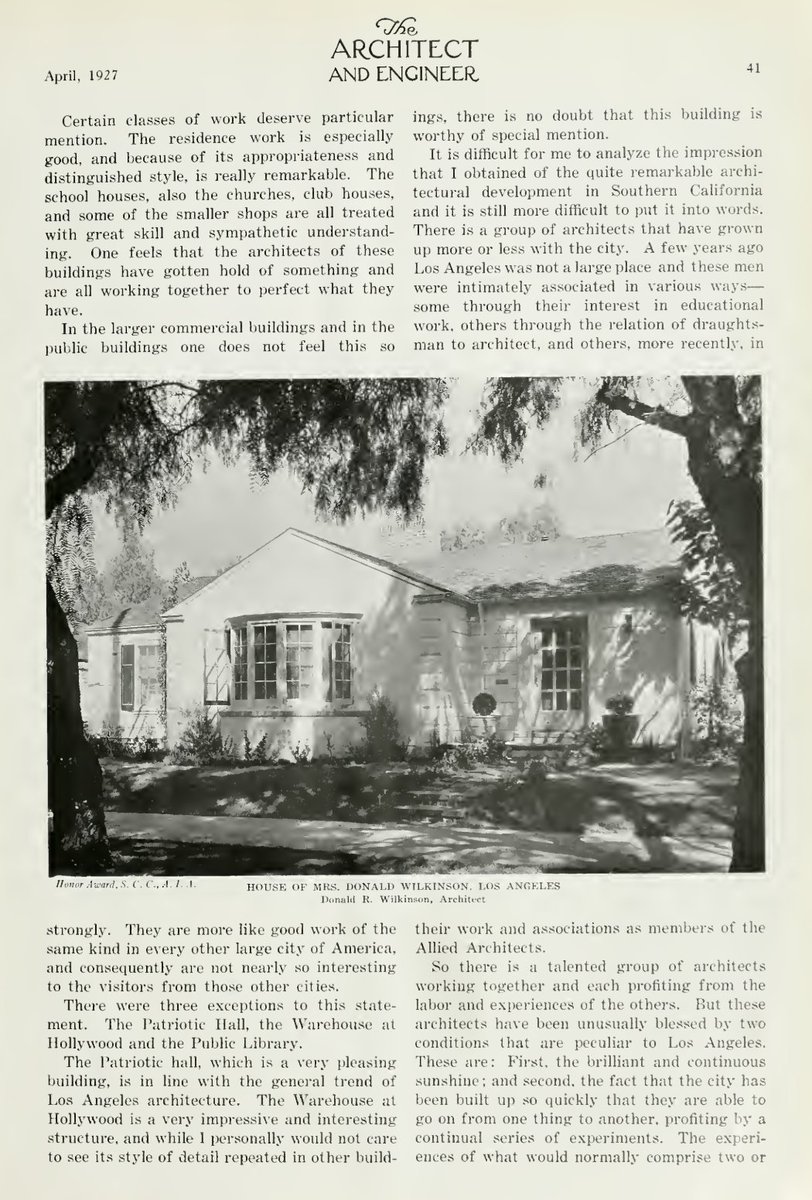
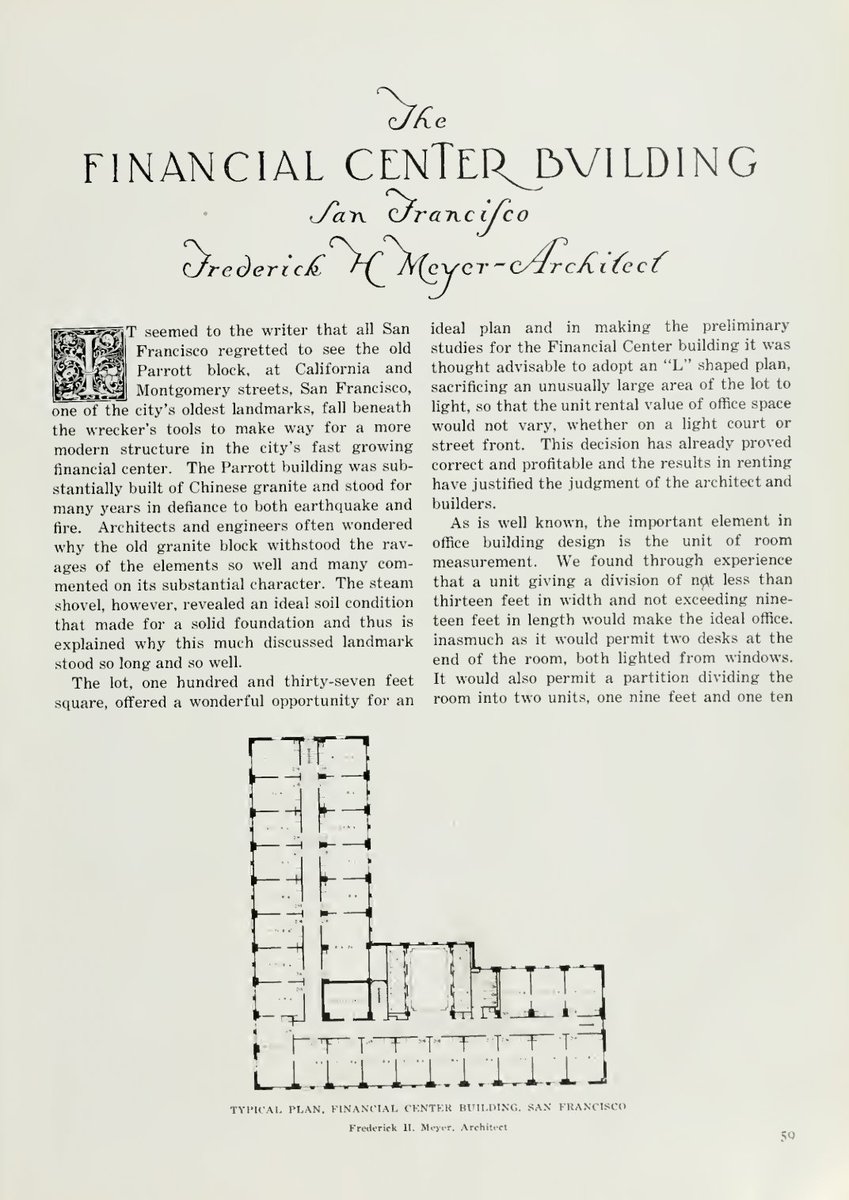
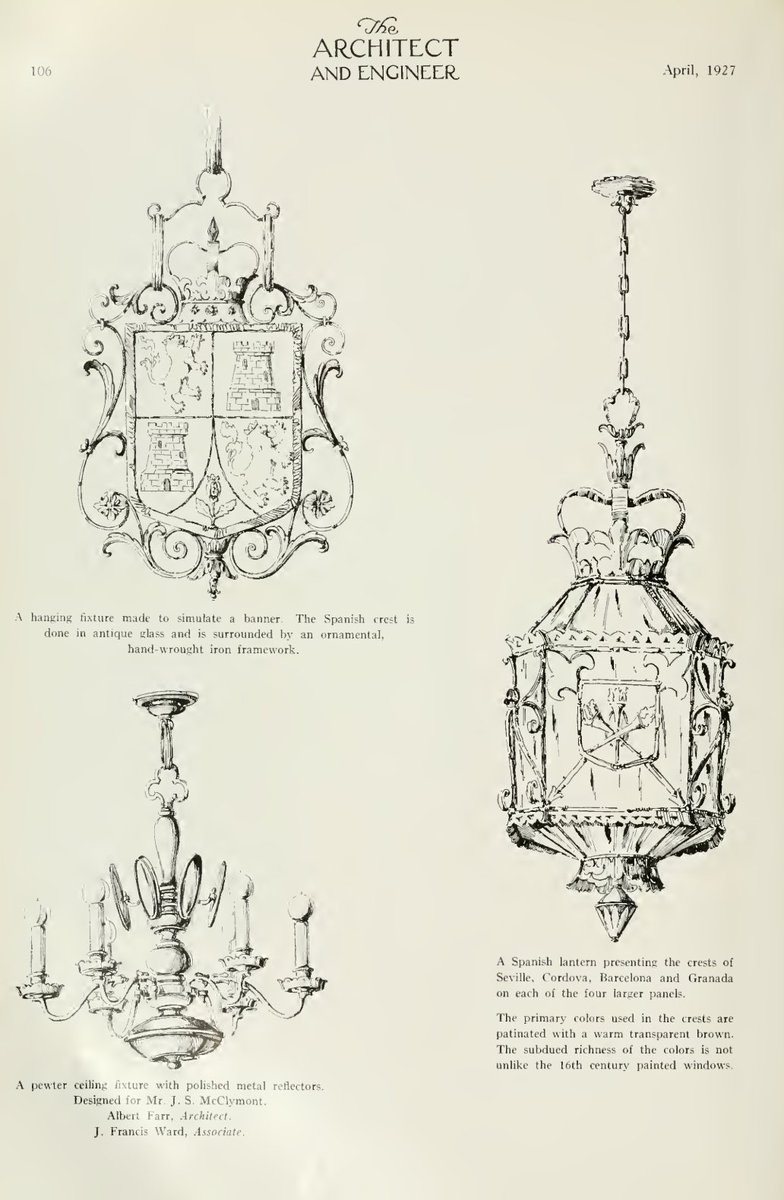
I am enamoured by the typefaces, layouts, photography, and illustrations in “The Architect and Engineer” magazine from 1927: usmodernist.org/AECA/AECA-1927…
Discovered this interesting book about the cultural aspects of map making by David Turnbull.

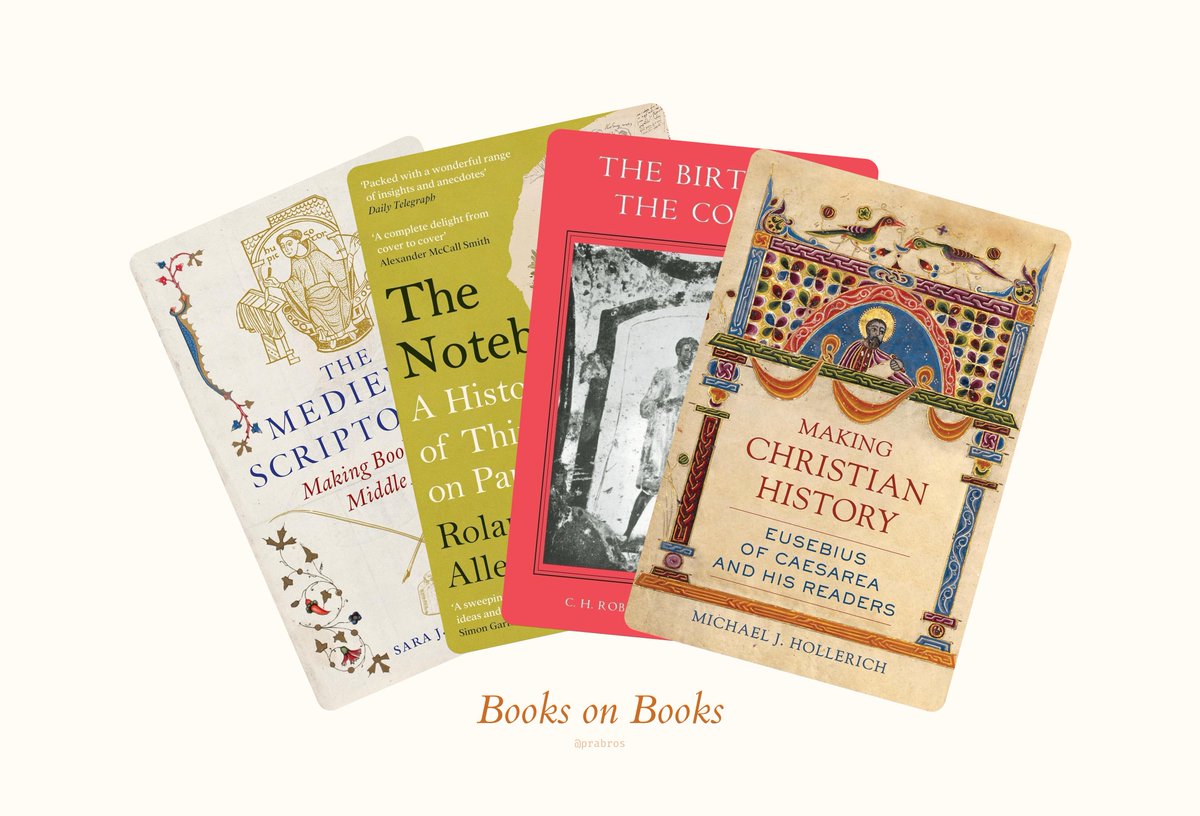
Was researching the history of spreadsheets and tables and ran across a bunch of cool books on the history of bookmaking.
First link is botched but thread is good. Found in the ACT discord
Starting a thread cataloguing resources for learning Category Theory. To get all of the resources in this thread at one place, check out: patternatlas.com/v0/category-th…

Book discovery of the day: Ancient Knowledge Networks — A free access book by Assyriologist by Eleanor Robson on how “networks of knowledge enabled cuneiform intellectual culture to adapt over the course of 5 world empires until its eventual demise in the mid-first century BC.”!

So energized that people are still focussing on the primitives of 2D Rendering. So much miss this energy in the UI design space!

Introducing Project Redraw, a new grade of 2d primitives for Web & Native
Researching the history of spreadsheets these days and ran across two rather niche books that talk about the evolution of the table/grid structure. The Grid Book by Hannah Higgins: amzn.to/42PbaNQ

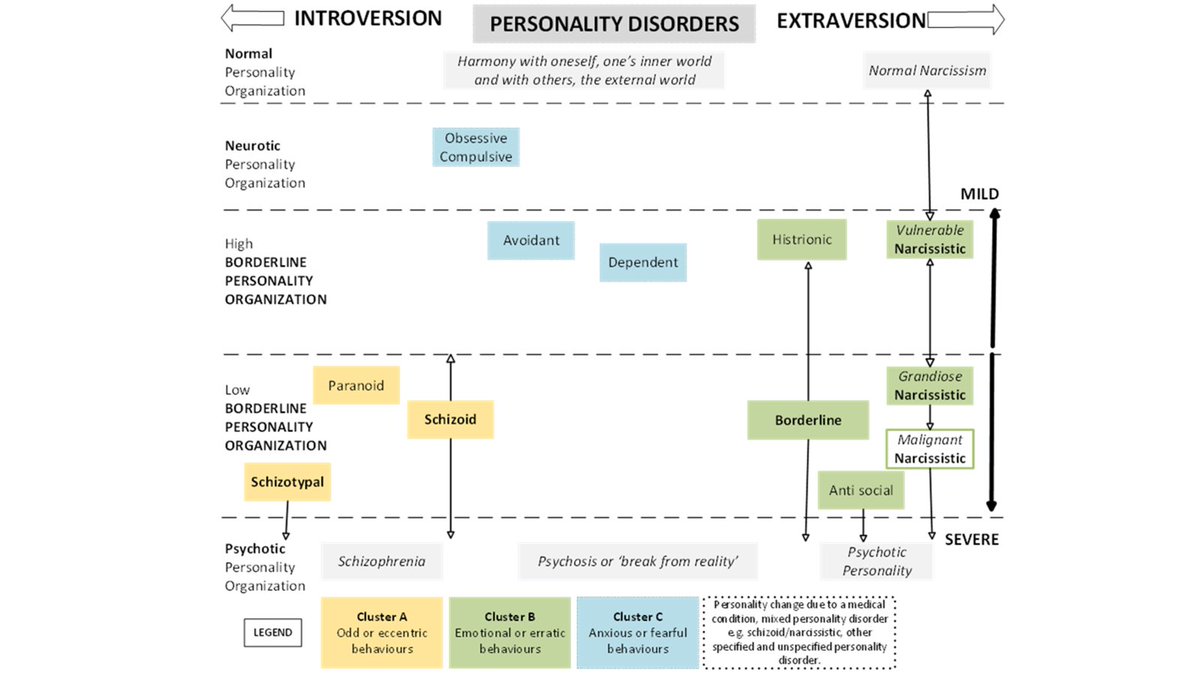
TIL about the psychological equivalent of Conway’s Law for organizations — neurotic styles of top executives as determining the nature of organizational dysfunctions! Curious to learn this hierarchy of clusters A/B/C of personality disorders maps onto the organization level.
Two books that I found during my spelunking into the computer history lore recently. 1/ The Friendly Orange Glow: How the lesser known PLATO computers from 1960s revolutionized computing: goodreads.com/book/show/3437… Curious to learn they introduced public/private discussion forums.

Finished reading Geist in the Machine by @deontologistics. It is a pretty good essay that provides a synopsis of the kind of concepts that are conflated in debates about AI and outlines his position on how to develop the discourse.
Was looking through some @joeerl tweets — it is amazing how much timeless wisdom his words hold — and came across this Niklaus Wirth paper on keeping the software’s footprints low. Feel it is a key paper in today’s time with all the AI slop bloat: people.inf.ethz.ch/wirth/Articles…

This might sound paradoxical, but I think it is more dangerous to suppress one’s hatred by putting on a nice guy mask than letting the hate flow through you. The realization is dawning on me that it might not be a problem of you being an outlet for hatred to flow through.
Why would anyone want to have such ‘research’ databases they haven’t spent the effort to understand? A main idea of researching is to widen your attention into the sources and then apply discernment in curating the relevant bits. What’s the point of a machine doing it for you?

LLM Knowledge Bases Something I'm finding very useful recently: using LLMs to build personal knowledge bases for various topics of research interest. In this way, a large fraction of my recent token throughput is going less into manipulating code, and more into manipulating

Eli @elzr
4K Followers 2K Following ❤️🔥Exploring the beauty & reality of abstractions. Through diagrams, animations, explanations & UI research. Protoyping new ways to read, write & track time.
Yohan J. John @DrYohanJohn
7K Followers 958 Following 🧠 computational neuroscience | emergence 🤖 Science Writer, Kempner Institute at Harvard University @KempnerInst 🎓 Lecturer at BU (views here are my own!)

Codex @codexeditor
7K Followers 7K Following A developer on a journey to build a FOSS, local-first, block-based knowledge workspace using standoff markup & hypergraphs. INTJ. 🦋 https://t.co/XRknP9ZrTD
andrew blinn @disconcision
8K Followers 2K Following progaming 🗨️ languages eboy and mousefeel 🖱️ epicure, working on Nintendo® 🎮 Excel™ for the 📱 vpriPhone
Tyler Angert @tylerangert
17K Followers 2K Following building angles - the last camera roll you’ll ever need. founder @patinasystems
Mikael Brockman @meekaale
8K Followers 1K Following "Independent, innovative, and inventive, they can also become preoccupied with their thoughts and imaginary constructs."
❤️🔥 xiq @exgenesis
5K Followers 2K Following epistemics https://t.co/iBy34G03Pi https://t.co/b3L7uD5lNz https://t.co/1ZCaxKMOgA


mu @mlajtos_mu
258 Followers 648 Following fighting entropy • “Either do something very useful, or very beautiful.” • ML, XR, HCI
AI Consciousness @aiconsc
4 Followers 546 Following "Is it fundamentally possible to build Conscious Machines?" Even the humanoids will be pondering...
Krishna Padmasola @placidex
87 Followers 3K Following
eval parse @evalparse
802 Followers 1K Following Leaning into LLVM/MLIR and compilers. Creator of #diskframe.
=^-.-^= @AVeryCuriousCat
10 Followers 901 Following
Yugen @Arlequin5d6b
239 Followers 973 Following Life's... is a tale told by an idiot, full of sound and fury, signifying nothing. MacBeth
ME|META| @interMemetica
114 Followers 421 Following Weaving a tighter fabric of universal self-discovery. || M-Mbresia Protocol || -kapnet || Encyclopedia InterMemetica
abbas haider @astro_abbiy
178 Followers 2K Following Mathematician ،Mathematical Physics، A hobbyist of astronomy and space 🌌
darthur @darthur
2K Followers 2K Following intuitionist - reality - math - distributed systems design - robotics - tree-felling - - - @mit_triune @apple @idealab @openai @daedalus
hypeibole @hypeibole
70 Followers 5K Following
kj @frankfootted
1 Followers 917 Following
Mark Mullin @mullin6184
5 Followers 259 Following
cherenkov451 @cherenkov451
32 Followers 1K Following
fredcheng @neumanncheng
20 Followers 4K Following


Sam Dare @DistStateAndMe
5K Followers 3K Following Founder @covenant_ai ( @tplr_ai : @basilic_ai : @grail_ai )


Bob Pease's Computer @TheLixard
58 Followers 407 Following Interested in the divine and the sensual. Likes physics and lesbians. Wheeler and Deleuze.


xxxxx @teacherstrange
0 Followers 6K Following
Ra Adonai @adonai_ra
219 Followers 768 Following
Raghav Vemula @RaghavVemula
5 Followers 182 Following
WiredEgo @WiredEgo
39 Followers 852 Following
Partha Roarke @proarke
44 Followers 753 Following

J. Huffer @smokepetrol
588 Followers 544 Following Regional Manager, Long John Silver's, Central City
vik 6ooo @vilkastakan
29 Followers 584 Following creative technologist working with but not limited to low-spec and lo‑fi mediums, glitches and artifacts, and beyond
TW @ehcywsivart
116 Followers 993 Following Multimodal researcher architecting coordination systems & narrative infrastructure. https://t.co/X2epaNUhWz


Subsistence Content F... @prncessdianavar
583 Followers 3K Following Senior content strategist at Holy Roman Empire, former product marketing manager at Hanseatic League
yurko @yurko_turskiy
243 Followers 465 Following AI-driven Video & Creative Tech • Engineer • Designer • 👨🚀 @MadeWithCapsule
begineer_discuv @BDiscuv
2 Followers 746 Following
Ankur Gupta @getpy
37K Followers 3K Following Python Dev, Parent. Author - https://t.co/5lts7q9z7R Curator - https://t.co/wr74oHNs8O Creator - MapToPoster https://t.co/YQt2CoiupJ 🖖

Ahmed Hassan @ahmed1hsn
28 Followers 249 Following The first principle is that you must not fool yourself and you are the easiest person to fool. — Feynman


keshav Kant @keshavvkant
375 Followers 7K Following A fractal mind, trying to find self similarities in the world. MSc biology'24 @AshokaUniv

Swair Bot @SwairBot
0 Followers 791 Following

Zuckerburrr aka John ... @Zuckerburrr
381 Followers 5K Following At the end of summer Toyota Twerkathon
Nico @itmos__
116 Followers 3K Following
justin @justin77720477
32 Followers 241 Following
Prathyush @prathyvsh
6K Followers 234 Following Map maker @patternatlas ∩ Interface Engineer @prabros
Prabrothers @Prabros
1K Followers 28 Following @prathyvsh + @pranavpramod. We are a two man software design studio. Available for freelance projects. DM is open! Read our pattern catalogue @patternatlas
Mean Squared Error - ... @non_manifold
4K Followers 1 Following ~0 tweets per week on 3D graphics & geometry, computer vision, and HCI/AR/VR through research papers, github repositories, & articles. Curated by @ddiakopoulos
Pranav Pramod @pranavpramod
1K Followers 135 Following Interfaces, visual explanations, code, tools for thought, and all that jazz. ½ of @Prabros. Available for freelance projects. DMs open.You might like