
Uranium Digital @uraniumdigital_
The only 24/7 institutional uranium trading platform. Powered by @solana. uraniumdigital.com Joined November 2024-
Tweets701
-
Followers41K
-
Following91
-
Likes1K
The House Subcommittee on Energy held a hearing this week on nuclear licensing reform, considering several legislative proposals aimed at streamlining the NRC's permitting process while maintaining safety standards. Bills under consideration include the Efficient Nuclear Licensing Hearings Act, which would eliminate an outdated requirement for a final public hearing on a license when no one has requested one, and the Nuclear REFUEL Act, which would clarify that fuel recycling facilities can be licensed under the same regulatory framework as other fuel cycle facilities. The American Enrichment Deployment Act would bring licensing for enrichment facilities in line with permitting processes for other fuel cycle facilities, a step Latta called critical for building out domestic fuel supply infrastructure. The hearing also reviewed the Nuclear Advisory Committee Reform Act, which would direct the NRC's advisory committee to focus on new and safety-significant issues rather than routine licensing reviews, and the NRC Staff Pay Alignment Act, aimed at retaining experienced leadership at the commission.

On June 4, when the Antares Nuclear Mark-0 test reactor came online at Idaho National Laboratory, it became the first privately developed, non-light-water reactor to achieve criticality in the United States in more than 40 years. The achievement directly fulfills a mandate under the DOE's Reactor Pilot Program, which challenged the U.S. nuclear industry to bring at least three advanced reactor designs to criticality by July 4, 2026. The Mark-0 is a high-temperature, solid-state microreactor designed to generate between 100 kW and 1 MW of electricity. Its modular design allows units to be built in factories and shipped to deployment sites, with additional modules added to meet growing demand. The Antares R1 reactor has already been selected for installation at Joint Base San Antonio, Texas, by 2028.

The North Carolina House advanced legislation on Tuesday that would require Duke Energy to obtain permission to build a nuclear plant with at least 1,000 megawatts of capacity before it can retire coal or natural gas plants. The Ratepayer Protection Act moved through both the House Commerce and Rules committees and now heads to the House floor. The nuclear provision reflects lawmakers' push to ensure baseload generation remains central to the state's energy planning as North Carolina manages rapid load growth driven by data centers.

NextEra Energy's Duane Arnold Energy Center near Cedar Rapids, Iowa, may be the next closed nuclear reactor to come back online, with NextEra targeting a restart by 2029. The 600 MW plant was shut down in 2020 for economic reasons, not technical ones. Improved economics driven by rising electricity demand, the Section 45U production tax credit, and technology company interest in 24/7 clean power for data centers have changed the calculus for plants that were uneconomical just a few years ago. The plant entered SAFSTOR after closure, a deferred dismantling approach that maintains systems in safe condition rather than immediately dismantling them. Plants in SAFSTOR are considered prime restart candidates because their systems remain intact and can be inspected and restored to operating condition without major technical barriers.

@kellyjgreer The US nuclear renaissance is well underway. 🇺🇸
@isabelleboemeke Congrats, team!
New Jersey lawmakers advanced legislation on May 28 that would establish a formal pathway for advanced nuclear energy development in the state. The Power NJ Act would direct the New Jersey Board of Public Utilities, in partnership with the New Jersey Economic Development Authority, to create a program for procuring advanced nuclear energy facilities, evaluating developer proposals on grid reliability, future capacity needs, and ratepayer value. The bill includes a Reliability Capacity Certificate program to support approved projects while returning certain revenues to New Jersey consumers. Governor Mikie Sherrill, who recently signed legislation removing a longstanding barrier to new nuclear projects in New Jersey, has made expanding in-state power generation a key priority through what she describes as an all-of-the-above energy strategy.

New York Governor Kathy Hochul has announced new developments in the state's push to build at least one gigawatt of nuclear capacity in Upstate New York, including up to $40 million in workforce support and solicitations for experienced nuclear developers and statewide nuclear workforce training. Hochul said the solicitations will help ensure New York is positioned to lead the nation in new nuclear development, alongside renewables, to meet increasing demand while keeping costs down. The New York Power Authority has been tasked with laying the groundwork for what Hochul called the next era of emissions-free power in the state. The developments add momentum to a program that has drawn interest from eight upstate communities competing to host the new nuclear facility. A former power plant site in Dunkirk, in Chautauqua County, has been identified as one potential location.

A second nuclear reactor has been lifted into place at Hinkley Point C, Britain's largest nuclear power station currently under construction in Somerset. EDF used Big Carl, the world's largest crane, to position the 500-tonne cylinder on May 29, and said the reactor building is being constructed approximately 30% faster than the first reactor. The two reactors are expected to power up to six million homes when Hinkley Point C opens in 2031. EDF delivery director Simon Parsons said the team applied lessons from the first reactor installation to put Unit 2 well ahead of the first unit's position at the equivalent stage, with more materials in place and more work completed.

The Kazakh government has approved a comprehensive plan aimed at developing domestic industrial capacity for nuclear power plant construction projects. The plan was approved on May 14 and covers four key areas: developing a regulatory framework, analyzing needs and potential of the domestic market, modernizing and establishing production facilities, and digitalizing processes. The goal is to boost local content from the current 20-22% of the nuclear industry's demands to around 30% by the time construction of Kazakhstan's first nuclear power plant begins, representing a market value of approximately $4 billion to $4.5 billion. Russia's Rosatom was selected in June 2025 to lead an international consortium to build Kazakhstan's first planned nuclear power plant, called the Balkhash plant, in the village of Ulken on the shore of Lake Balkhash.

New York-based BLSK Energy has emerged from stealth mode following an agreement with Argonne National Laboratory to develop a pilot facility that produces fuel for advanced fast nuclear reactors by recycling used fuel from existing nuclear power plants. The cooperative research and development agreement provides BLSK with exclusive access to the intellectual property behind pyroprocessing, a high-temperature method of recycling reactor waste into fuel pioneered by Argonne. According to ANL, when used with nuclear fast reactors, pyroprocessing would allow 100 times more energy in uranium ore to be used compared to current commercial reactors. This would ensure almost inexhaustible supplies of low-cost uranium resources, and markedly reduce waste isolation time from approximately 300,000 years to approximately 300 years by recycling all actinides.
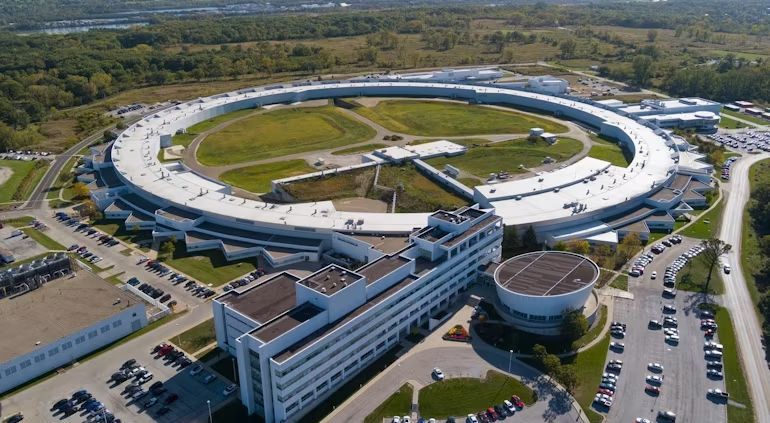
@ENERGY @SecretaryWright The American nuclear renaissance is underway 🇺🇸
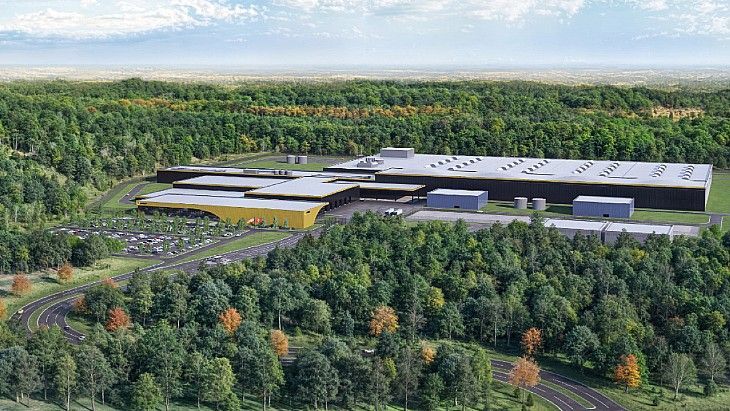
The U.S. Nuclear Regulatory Commission has set an expedited 12-month review schedule for Orano's Project IKE uranium enrichment facility in Oak Ridge, Tennessee, with an estimated completion date of April 30, 2027. The gas centrifuge facility will be located on unused former Manhattan Project land and represents one of the largest capital developments in Tennessee history. According to Orano, the output from Project IKE alone would be able to replace the enriched uranium America currently imports from Russia.
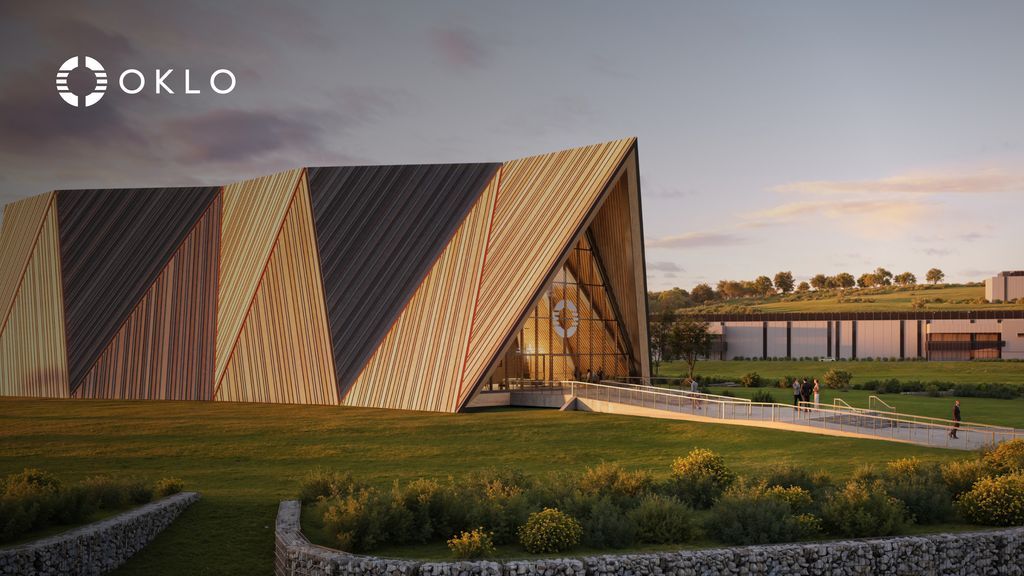
Sam Altman-backed nuclear technology company Oklo has been selected by the U.S. Department of Energy for advanced negotiations under the Surplus Plutonium Utilization Program, one of five advanced nuclear companies chosen for the initiative. Oklo will partner with newcleo, a European advanced nuclear reactor developer, to lead the utilization effort. Oklo would handle the surplus plutonium conversion while newcleo would bring fuel expertise and potential project capital, subject to definitive agreements and regulatory approvals. The initiative represents what the companies call a "disposition through use" approach, transforming a long-term material management challenge into a homegrown energy source by converting existing material into fuel that generates electricity and is ultimately consumed through fission.
The U.S. Navy is evaluating a concept that would allow the USS Gerald R. Ford aircraft carrier to feed electricity generated by its onboard nuclear reactors into shore-side power grids during port stays, effectively repurposing the carrier's propulsion plant as a temporary floating nuclear power station. The test is planned at Naval Station Norfolk in Virginia. The Ford-class carrier is propelled by two A1B nuclear reactors that produce significantly more electrical output than older designs fitted to Nimitz-class carriers. During port visits, the carrier would reverse the conventional arrangement and export power through the ship's electrical distribution system via a shore connection interface. The concept could reduce dependence on diesel generators for military installations in forward locations and provide backup power to civilian infrastructure during natural disasters. The Navy has not announced a firm timeline for the trials, and the program remains in an exploratory phase as engineering validation, regulatory pathways, and fleet-scheduling tradeoffs are assessed.

Swedish nuclear developer Blykalla has applied to build six small modular reactors near the city of Gavle, aiming to start generating electricity by the early 2030s as Sweden reverses its decades-long nuclear phase-out policy. The facility would produce approximately 330 MW of electricity using 55 MW lead-cooled reactors based on updated technology originally developed for Russian nuclear submarines in the 1950s. Blykalla CEO Jacob Stedman said Sweden made a strategic mistake 46 years ago trying to phase out nuclear power and now has the chance to take the lead again. Blykalla is the second developer to apply for a reactor park after Karnfull Next announced plans for four to six SMRs on Sweden's southwest coast in March. Sweden voted in a 1980 referendum to phase out nuclear and subsequently closed six of its 12 reactors.

The Rockefeller Foundation and Temasek Trust have launched the Global Coalition for Nuclear Philanthropy to mobilize philanthropic capital in support of nuclear energy as a driver for clean energy security, economic growth, and human development. Announced at the Philanthropy Asia Summit in Singapore, the coalition includes founding members Blue Horizons Foundation, CleanEcon, Founders Pledge, Ray Rothrock, and the Rodel Foundation. Analysis by Founders Pledge shows only 0.1-0.2% of climate philanthropy currently supports nuclear energy, representing less than $2 of every $1,000 in climate funding. The initiative will pursue four strategic pathways: building public support through data-informed narratives, expanding global talent and institutions for safe nuclear deployment, de-risking financing structures, and strengthening safety and governance frameworks.

The Nuclear Company has launched NOS Security, an integrated cybersecurity platform designed specifically for nuclear industry infrastructure protection across the United States and allied nations. The platform combines AI-enabled monitoring, autonomous drones and robotics, advanced sensing systems, unified command infrastructure, cyber defense, and real-time operational intelligence. The system is designed to align with Nuclear Regulatory Commission requirements under 10 CFR 73.54 and 73.55, as well as Nuclear Energy Institute industry guidance. The platform was developed over the past year and is initially being deployed to support @TheNuclearCo's own nuclear construction and development activities. The company plans to work alongside operating nuclear utilities and allied partners seeking to modernize existing security architectures.

The Nuclear Regulatory Commission has completed its environmental assessment of the proposed Long Mott Generating Station at Dow Chemical's Seadrift manufacturing site in Texas ahead of schedule, marking a key licensing milestone for the four-unit X-energy Xe-100 project. The streamlined environmental assessment process reflects executive orders signed by President Trump directing the NRC to accelerate deployment of advanced reactor technologies. NRC Executive Director Mike King said the milestone demonstrates the agency can complete reviews efficiently while upholding environmental protection responsibilities. The 320 MW project would be the first grid-scale advanced nuclear reactor deployed at an industrial site in North America and is expected to reduce emissions by approximately 440,000 tonnes of CO2 per year.


JesseQ @JesseQ43762605
1 Followers 497 Following


Observador_CHL @PLP_Chile
516 Followers 74 Following
𝓪𝓷𝓭𝓻𝓮 @snatchseason
604 Followers 692 Following 𝙗𝙧𝙤𝙣 𝙛𝙘👑 • 𝘇𝗶𝗼𝗻𝘆𝗼𝘂𝗻𝗴 𝙛𝙘🥷• #LakeShow • #RavensFlock • #thfc

goose 🪿 グーズ @gooseifer07
2K Followers 558 Following 31. another 9 to 5er 🥲 artist/writer/gamer, multifandom, omnivore when it comes to ships (mainly🌻🍭🌻) 🔞 minors DNI, no reposting/using for ai 🫵🏻
johnyeardley @johnyeardley
512 Followers 414 Following Average guy. Husband and father. Follow me and I will follow you back if you're legit and not a bot. #FreeSpeechForever #MutualRespectAlways

maria ⟭⟬ִ ࣪�... @hyukarlmarx
403 Followers 1K Following Você fala mal do Namjoon e quer que eu dê rt na sua vó desaparecida?


BreakerBreaker1902 @Breaker199092
7 Followers 252 Following
𝓜𝓪𝔂 ❄︎ @_diandiann_
860 Followers 650 Following ˗ˏˋ 𝑎𝑓𝑡𝑒𝑟 𝑎𝑙𝑙 𝑡ℎ𝑒𝑠𝑒 𝑦𝑒𝑎𝑟𝑠, 𝑖 𝑠𝑡𝑖𝑙𝑙 𝑜𝑛𝑙𝑦 𝑙𝑖𝑘𝑒 𝑦𝑜𝑢 ˎˊ˗ 🍃❅
lice ˖° 🪡 @shes_eletric0
196 Followers 413 Following ⛧°. ⋆༺♱༻⋆. °⛧ ᴸⁱᵃᵐ ᴳᵃˡˡᵃᵍʰᵉʳ, ᴼˡⁱᵛⁱᵃ ᴿᵒᵈʳⁱᵍᵒ 𝚊𝚗𝚍 𝚒 𝚋𝚕𝚘𝚠 𝚘𝚞𝚝 𝚝𝚑𝚎 𝚌𝚊𝚗𝚍𝚕𝚎𝚜 ᵗᵉᵉⁿᵃᵍᵉ ᵈʳᵉᵃᵐ ⁻ ᵒˡⁱᵛⁱᵃ ʳᵒᵈʳⁱᵍᵒ

🔞Cereza🔞 @Cereza_yeen
430 Followers 923 Following A yeen and mama gen user Age 19 this is 18+ minors I banished you ft 6'6 Hispanic switch/Dom/Bi/collabs open pcvr quest 3
Lhn002 @Mark67358226
791 Followers 1K Following 生產日期:2010.9.6 | 181cm 57kg | 北京昌平🇨🇳 | 主要繁體 簡體🉑 | 是男孩子 |日語🇯🇵 朝鮮語🇰🇷也會一點 | 友跨+LGBT友好 | 留長髮中 | 喜歡漢服、東亞文化和可愛的男孩子(小南梁),歡迎諸君找我聊天口牙!(求你們私信找我聊天吧!)僅交友不約!

レニウム0075@�... @nahara_880
854 Followers 3K Following #kosen26s MNCT @NAHARAkosen←サブ垢@nahara_new ←ガバガバ鍵垢 物忘れ多い チーズ食いたい世間知らず ガンバサポ JK(情報科所属高専生)
. @_sousasxz10
75 Followers 52 Following
I,Yuyu ♟️ @myer87
2K Followers 5K Following • They/them • (Fan Account) • Phannie 🏳️🌈 • 🐼 • '97 liner • 최승철, 정세운, 조승연, 원위, 엑스러브


RTH64 🇨🇮 @RyTH64
1K Followers 762 Following Riyo 22 years posts are +16 🖤 Black Pixel Artist 🎮 Sprite Animator 📩 Discord DM: riyohedgie64 pfp by @Shanzehpoo and misuki
supercaliswagalistic @prettylloz
253 Followers 93 Following
:: Deca :: @DecaBsantos
3K Followers 4K Following Nutri, Téc. em Telecom, Edificações e Design de Interiores. Mãe de Pet, Casada, Aquariana típica, sempre tentando evoluir...
Sasi23💙🌊😽ห... @Isara_Sasi
628 Followers 1K Following 💜💜💜เลิฟลี่ของนว้องเตนล์ 💚💚💚#TENLEE 💙🩷ซันไชน์ของพฤกษ์ ที่เอ็นดูน้องนิวสุดใจ💙🩷#Zunshine #ZeePruk #NuNew #ZeeNuNew

veve 🎶 @suicidewtchlist
272 Followers 391 Following 15 ღ ⚠️DNI IF FATPHOBIC⚠️ matching with @ashthebash0




Saltz @Saltz_H
548 Followers 7K Following おい!何やってんだ! Sometimes I am balling, other times I am bawling. GBVSR high level player! 🇦🇷🇺🇸 I also make live wallpapers
잎별 @IP_BYEOL
438 Followers 680 Following ykmm♡ 2n 게임 소소하게 하는중∼∼ 장발짱&색소부족 콜렉터 심즈로 아이나나 구현 프로젝트 ing #아이나나_심즈 트친들아 나 리밋걸려서 아봉 당했어 @GIpbyeol97097이쪽으로 와줘요
Whoomy! @Dinnertime445
294 Followers 2K Following Multifandom person, writer, aspiring artist and musician. Credit for pfp: @tonkaramai Alt (public): @whoomyaut12

Majin Sala 🩵 @NightRoseshade
1K Followers 982 Following 🔞+ M/22 (role-play/chill gaming account), Playstation: Nightmareshad669, small YouTuber, Majin/Saiyan's user, Dm's are open if you want to chat or something^^

Txn Hipotético @Fehffosupremacy
24 Followers 413 Following 💍Quantos anos? O que eu gosto? Não sei, pergunta pra minha mulher

せい @Sei_peas
64 Followers 123 Following 𝒜𝓃𝓉𝒽𝑒𝓂💛@aibeck_sayano(AIBECKバンドツアー 2025.3.19名古屋〜)#塩藤さやの #ちゃそはっぴー🌻@aguri_pico #あぐバイター労働日報

Luyx @coxinha_280
239 Followers 3K Following
DA Sails @da_sails
8K Followers 6K Following Soli Deo Gloria; Policy, Supply Chain/Procurement, Clean Energy, Veteran. Views are my own.
Uranium2035 @Uranium2035
562 Followers 27 Following The geoeconomics of uranium in the Nuclear Renaissance
Nuclear Update @UpdateNuclear
2K Followers 245 Following Helping everyday people get smarter about nuclear investing. Trusted by 5k+ subscribers. Follow for news and insights ⚛️
Charles Norton @charles_norton1
2K Followers 989 Following Contrarian-minded investor. Student of the markets. Not investment advice. Opinions are my own.
American Nuclear Soci... @ANS_org
47K Followers 3K Following The American #Nuclear Society is a not-for-profit dedicated to advancing the peaceful use of nuclear science and technology. 🇺🇸⚛️🌎
Nick Touran @whatisnuclear
36K Followers 2K Following Nuclear engineer / advanced reactor designer (Ph.D. P.E.) who runs https://t.co/ofTjIciUnl.

Uranium Intel @UraniumIntel_
113 Followers 5 Following The latest news from the world of nuclear energy. Powered by @uraniumdigital_.
Nuclear Matters @Nuclear_Matters
89K Followers 790 Following Nuclear Matters is a national coalition that informs the public and policymakers about the clear benefits of #nuclear #energy. Join us!
Lukas Ekwueme @ekwufinance
35K Followers 318 Following Geopolitics, macro & commodities. Newsletter coming soon ↓ https://t.co/fGvokQjNI5
Standard Nuclear @standardnuclear
1K Followers 208 Following America’s advanced nuclear fuel company. This is the new Standard.
UraBot @UraniumStockBot
1K Followers 200 Following #Uranium☢️ market updates: stock prices & news, powered by AI. Stay ahead of the nuclear fuel cycle.
Alan Carroll @alancarroII
38K Followers 10K Following Sports @Polymarket | Intern @uraniumdigital_ | MUFC
Nuclear Energy Instit... @NEI
58K Followers 513 Following Our vision is simple: A world powered by clean and reliable energy. #NuclearMakesItHappen
Super Copper Corp. @supercopperco
1K Followers 578 Following Building the Next Generation of Copper Supply OTCQB: $CUPPF | CSE: $CUPR.CN
UxC @UxC_Nuclear
2K Followers 328 Following UxC, LLC (UxC) is the nuclear industry’s leading market research and analysis company.
Zachary Dolesky @dolesk
289 Followers 709 Following Founder @SuperCopperCo | Building brick by brick
kaledora @kaledora
11K Followers 2K Following building @ostium | prev harvard, ballerina @ royal danish ballet
Generation Atomic @Gen_Atomic
20K Followers 2K Following Nonprofit empowering today's generations to advocate for an atomic future. #GenerationAtomic #NuclearEnergy #NetZeroNeedsNuclear #StandUpForNuclear
U.S. Department of En... @ENERGY
885K Followers 360 Following Committed to Restoring America’s Energy Dominance. Led by @SecretaryWright.
Secretary Chris Wrigh... @SecretaryWright
121K Followers 29 Following 17th United States Secretary of @ENERGY
James Hopf @HopfJames
8K Followers 206 Following Retired nuclear engineer. Climate action and nuclear power advocate. Supporter of tech-neutral climate policies.

MINING.COM @mining
90K Followers 366 Following https://t.co/zKH2X4Hp0r is the leading source for global mining news, trusted by 3M+ monthly. Pic: Freeport PR & Marketing: [email protected]

John Leggett ✏️ @leggett_john
4K Followers 813 Following Retired publishing exec | #Nuclear power advocate | #Uranium aficionado. #Energy Density = EROI.
GetUranium @GetUranium
23 Followers 2 Following
NucNet Nuclear News @NucNetNews
15K Followers 848 Following Brussels-based independent news agency focusing on the global #nuclear industry. #NuclearEnergy #NuclearPower #NuclearIndustry #NuclearMedicine #NuclearPolitics
James Bong @0xjamesbong
1K Followers 4K Following
World Nuclear News @W_Nuclear_News
71K Followers 559 Following The latest nuclear power information, free every day. WNN is supported by the @WorldNuclear Secretariat.
Matt Loszak @MattLoszak
24K Followers 108 Following Cofounder & CEO @AaloAtomics. Mass-manufactured nuclear plants. Showing the world that nuclear is incredible. Past: Engineering, Physics, Software.
Constellation Clean E... @CEGCleanEnergy
11K Followers 467 Following We are the nation's largest producer of reliable, emissions-free energy. Our diverse generation portfolio includes nuclear, hydro, wind, solar and natural gas.
U.S. WIN @WomenInNuclear
10K Followers 948 Following U.S. Women in Nuclear is the premier network of nearly 8,500 individuals who work in nuclear-and radiation-related fields around the country.
Nuclear Hazelnut 👷... @NuclearHazelnut
28K Followers 1K Following Jenifer Avellaneda• PRA & Nuclear Risk Analysis Senior Engineer working at @WECnuclear• Putting fears over nuclear energy into perspective• Views are my own
Nostra Thomas 🇨�... @SloCan68
14K Followers 4K Following 🇸🇮 🇪🇺 Private Equity Portfolio Manager @ NTP Capital Asset Management. Not investment advice. Seek a duly licensed professional for investment advice##

NRC @NRCgov
30K Followers 0 Following U.S. Nuclear Regulatory Commission Privacy Policy: https://t.co/pgpgYQLbXB…
FL Trader @FL17112012
4K Followers 422 Following Private equity investor and fulltime Trader! No recommendations, only my own opinion!
Christian Angermayer @C_Angermayer
41K Followers 3K Following Founder of @ApeironInvests; $ATAI; @enhanced_games / $ENHA $APAD + others | Bullish on #psychedelics, $BTC, $XPL | Investing in biotech, crypto, tech, sports
mary @howdymary
18K Followers 3K Following data @marketmotionxyz | prev galaxy, brookings, schwarzman, columbia | sidequests: @jobanxiety

General Matter @generalmatter
8K Followers 2 Following Enriching uranium in America to fill the nuclear fuel gap. Exceptional talent needed.
John Quakes Bluesky p... @quakes99bsky
1K Followers 2 Following Parody account bringing John Quakes posts back to X. Copy/paste of all original posts he makes on Bluesky ~ Incase of ban follow @not_quakes99
Orlando Cosme @Orlando_btc
4K Followers 2K Following Crypto & startup lawyer. Founder of OC Advisory: a crypto focused law firm. Ex: Founder & CEO @LexproofHQ. 🇩🇴🇵🇷

Office of Nuclear Ene... @GovNuclear
108K Followers 331 Following @ENERGY’s home for nuclear energy research, demos, and deployment. RT/Mentions aren't endorsements.
U308 Renaissance Man @U308RM
3K Followers 2K Following
The Nuclear Company @TheNuclearCo
5K Followers 142 Following America’s nuclear infrastructure platform.
POWER magazine @POWERmagazine
13K Followers 460 Following Covering the business and technology of the global power generation industry since 1882.
Real World Asset Watc... @RWAwatchlist_
314K Followers 80 Following The home of #RWA - Real World Asset tokens. DAILY news stats & opinions!You might like